Instagram has evolved from a photo-sharing app into one of the most powerful advertising platforms for small businesses. With over 2 billion monthly active users and some of the highest engagement rates of any social platform, it offers an incredible opportunity to reach new customers - even on a modest budget.
But if you have never run Instagram ads before, the options can feel overwhelming. Stories, Reels, Feed posts, carousels, shopping ads - where do you even start? This guide strips away the confusion and gives you a practical, step-by-step approach to Instagram advertising that actually works for small businesses.
Why Instagram Works for Small Businesses
Instagram is inherently visual, which makes it perfect for showing rather than telling. Whether you run a bakery, a salon, a clothing brand, or a home improvement company, Instagram lets you showcase your work in a way that text-heavy platforms simply cannot.
Key advantages for small businesses include:
- Visual storytelling - Show your products, services, team, and behind-the-scenes moments
- Precise targeting - Reach people by location, interests, behaviours, age, and more through Meta's advertising platform
- Lower costs than Google Ads - Average cost per click is typically £0.40–£1.50, making it accessible for smaller budgets
- High engagement - Instagram users actively engage with brands, unlike some platforms where ads feel intrusive
- Shopping integration - Tag products directly in posts and stories for seamless purchasing
Instagram Ad Formats Explained
Instagram offers several ad formats, each suited to different objectives. Here is what you need to know about each one:
Feed Ads (Image & Carousel)
Appear in the main scrolling feed. Single images are simple and effective. Carousels let you show up to 10 images or videos - perfect for showcasing multiple products or telling a story across slides. Best for driving website visits and conversions.
Stories Ads
Full-screen vertical ads between users' Stories. They feel natural and immersive. Disappear after viewing, creating urgency. Include swipe-up links (or sticker links) to drive traffic directly. Great for promotions, limited offers, and event awareness.
Reels Ads
Short-form video ads up to 90 seconds that appear between organic Reels. This is where Instagram is pushing the most organic reach, so the audience is highly engaged. Ideal for brand awareness and reaching new audiences who are not yet following you.
Explore Ads
Appear in the Explore tab where users actively browse for new content. These reach people in discovery mode - they are looking for something new and interesting. Excellent for brand awareness and reaching audiences outside your current followers.
Our recommendation for beginners: Start with Feed ads (single image or carousel) and Stories ads. These are the most straightforward to create and consistently deliver good results. Add Reels once you are comfortable with the basics.
Setting Up Your First Instagram Ad Campaign
Instagram ads are managed through Meta Ads Manager (the same platform as Facebook ads). Here is a simplified walkthrough of the process:
Choose Your Objective
What do you want to achieve? "Traffic" sends people to your website. "Leads" captures contact information. "Sales" targets people most likely to purchase. For most small businesses, start with Traffic or Leads.
Define Your Audience
Set your location (e.g., 20 miles around your business), age range, gender if relevant, and interests. Start broader - you can narrow down later based on what the data tells you. An audience of 100,000–500,000 is a good starting range.
Set Your Budget
Start with £5–£10 per day. This gives the algorithm enough data to optimise while keeping costs manageable. Run for at least 7 days before making changes - the system needs time to learn who responds best.
Create Your Ad
Upload your image or video, write your ad copy, add a call-to-action button (Shop Now, Learn More, Contact Us), and enter your destination URL. Make sure your landing page matches what the ad promises.
Launch and Monitor
Submit your ad for review (usually approved within 24 hours). Once running, check performance after a few days. Look at cost per click, click-through rate, and - most importantly - whether clicks are turning into enquiries or sales.
Creative Best Practices
The creative (your images, videos, and copy) is the single biggest factor in whether your Instagram ads succeed or fail. Here is what works:
- Use real photos over stock images - Authenticity outperforms polish on Instagram. Photos of your actual products, team, and workspace build trust
- Show the result, not the process - A before-and-after of a garden transformation is more compelling than a photo of gardening tools
- Keep text minimal in images - Instagram penalises ads with too much text overlay. Let the visual do the heavy lifting
- Front-load video content - You have about 3 seconds to grab attention. Start with your most compelling moment, not a logo animation
- Include a clear call to action - Tell people exactly what you want them to do: "Book your free consultation," "Shop the collection," "Get your quote"
- Match your organic style - Ads that feel like natural Instagram content perform better than those that look like obvious advertisements
Budgeting and Cost Expectations
One of the best things about Instagram advertising is that it works at almost any budget level. Here is what to expect:
| Monthly Budget | What You Can Expect | Best Suited For |
|---|---|---|
| £150–£300 | Brand awareness, small audience testing, initial data gathering | Very small businesses wanting to test the waters |
| £300–£600 | Consistent reach, enough data to optimise, some lead generation | Local businesses building visibility in their area |
| £600–£1,500 | Meaningful traffic and leads, multiple audience tests, retargeting | Businesses ready to use Instagram as a serious sales channel |
| £1,500+ | Full-funnel campaigns, lookalike audiences, scaling what works | Businesses with proven offers looking to grow aggressively |
Measuring Results
Vanity metrics like likes and comments feel good but do not pay the bills. Focus on the metrics that actually matter for your business:
- Cost per click (CPC) - How much you are paying for each website visit. Aim for under £1.50
- Click-through rate (CTR) - The percentage of people who see your ad and click. Above 1% is decent; above 2% is strong
- Cost per lead/acquisition - The most important metric. How much does it cost to get an enquiry, sale, or sign-up?
- Return on ad spend (ROAS) - For every £1 spent, how much revenue are you generating?
- Frequency - How many times the same person sees your ad. Above 3–4, ad fatigue sets in and performance drops
Key tip: Install the Meta Pixel on your website before running ads. This small piece of code tracks what visitors do after clicking your ad - whether they enquire, purchase, or leave. Without it, you are flying blind.
Common Mistakes to Avoid
After managing Instagram campaigns for dozens of small businesses, these are the mistakes we see most often:
- Targeting too broadly - "Everyone aged 18–65 in the UK" is not a target audience. Narrow it down
- Changing ads too quickly - Give campaigns at least 5–7 days before judging performance. The algorithm needs learning time
- Sending traffic to your homepage - Send people to a specific landing page that matches your ad, not a generic homepage
- Ignoring mobile experience - 99% of Instagram users are on mobile. If your landing page is slow or clunky on phones, you are wasting clicks
- Only running one ad - Always test at least 2–3 creative variations to see what resonates with your audience
Need Help Getting Started with Instagram Ads?
Instagram advertising is an incredible opportunity for small businesses, but getting the strategy, targeting, and creative right makes all the difference. DPOM's Instagram advertising service takes the complexity off your plate so you can focus on running your business while we drive real results. Get in touch for a free social media strategy session.
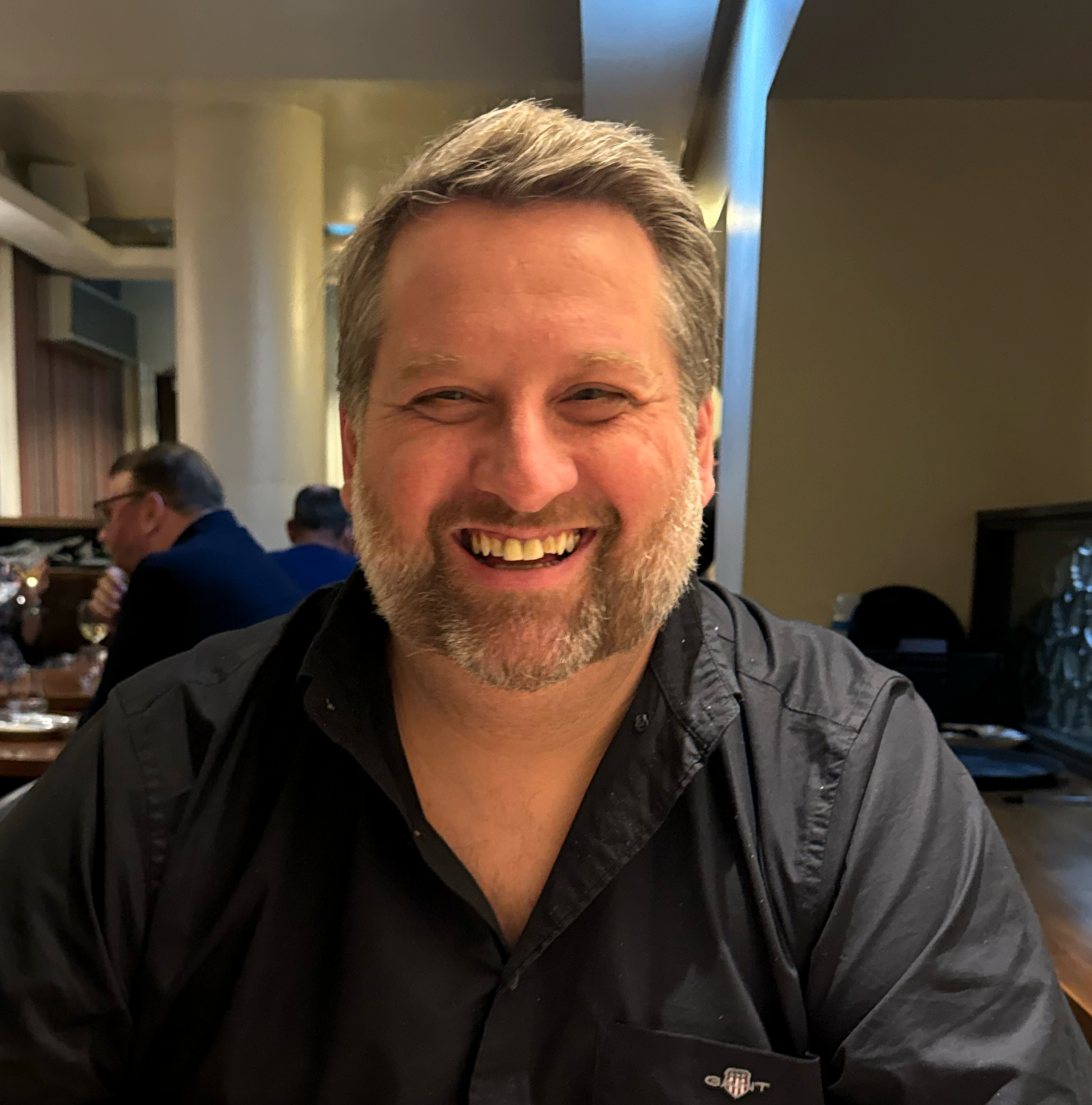
Brett Dixon
Founder & Managing Director of DPOM. Brett founded DPOM nearly 15 years ago after a career in marketing working with Harvey Nichols, BBC Top Gear, Formula One circuits, and UK Trade and Investment. His passion became helping smaller businesses grow, with honest advice, no jargon, and realistic expectations.
Need Help With Social Media?
Speak to our team about how we can help your business grow.